

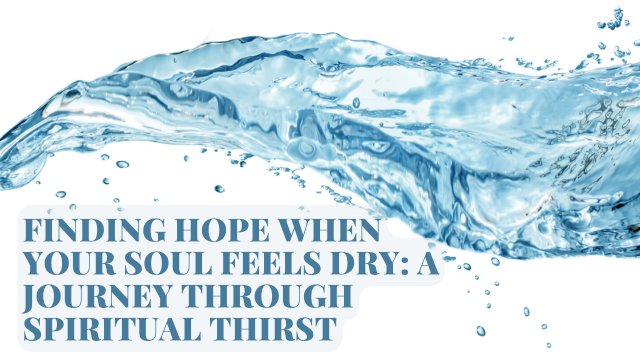
Have you ever felt spiritually empty even while doing all the “right” things? You’re showing up to church, reading your Bible, saying your prayers—but inside, your heart feels like a desert. If you’ve ever wondered, “God, where are You?” then Psalm 42 was written for you.
When Longing for God Feels Desperate
The psalmist opens with one of Scripture’s most vivid images: “As a deer pants for flowing streams, so pants my soul for you, O God.” But this isn’t a peaceful nature scene. Picture instead a deer fleeing predators, gasping for breath, desperately searching for water to survive. That’s the intensity of spiritual thirst the writer describes.
Here’s what strikes me: he’s not thirsting for answers, blessings, or even relief from his circumstances. He’s thirsting for God Himself. Separated from Jerusalem’s temple, unable to worship with God’s people, he aches for the presence of the living God. His memories of joyful worship now sting with longing.
We try to fill that void with everything else—success, entertainment, relationships, the perfect vacation. Yet as Augustine wrote centuries ago, “Our hearts are restless until they rest in You.” Nothing satisfies a soul except the One who created it.
Preaching Truth to Yourself
What happens when your emotions are screaming one thing but you know God’s truth is something else? The psalmist models something powerful: he talks to himself. “Why are you cast down, O my soul?” he asks, then immediately answers: “Hope in God.”
Most of us simply listen to ourselves—replaying fears, doubts, and worst-case scenarios. The psalmist does the opposite. He preaches to himself. He doesn’t deny his feelings; he confronts them with truth. Biblical hope isn’t wishful thinking—it’s confident expectation rooted in God’s unchanging character.
When waves of trouble crash over him, when enemies mock, “Where is your God?”—he chooses to remember God’s faithfulness. Even though nothing in his circumstances has changed, he declares: “I shall again praise Him.”
Honest Faith Isn’t Weak Faith
Here’s something beautiful: this same psalm calls God “my rock” and then asks, “Why have You forgotten me?” Faith and questions coexist. God isn’t threatened by your tears or offended by honest prayers. Jesus Himself cried out, “My God, my God, why have You forsaken me?”
God doesn’t want your polished prayers. He wants your real ones—tears, fears, doubts included. Bring Him your questions. Lament like Jeremiah. Wrestle like Jacob. Real biblical faith often means choosing hope before circumstances improve.
Jesus: The Living Water
Ultimately, Psalm 42’s deepest longing finds its answer in Christ. Jesus experienced profound spiritual sorrow in Gethsemane and abandonment on the cross. He cried, “I thirst,” so that everyone who believes would never experience eternal spiritual thirst. He declared in John 7, “If anyone thirsts, let him come to me and drink.”
Jesus doesn’t just point to living water—He is the living water that satisfies thirsty souls.
What to Do When Your Soul Is Dry
When you’re spiritually exhausted, emotionally drained, or questioning God’s presence, try these four steps:
- Admit your thirst – Stop pretending everything’s fine
- Remember God’s faithfulness – Recall what He’s done before
- Speak truth to yourself – Preach Scripture louder than your fears
- Place your hope in Christ – Not in circumstances or people
Don’t run from God when your soul feels dry. Run to Him. Pour out your honest questions. Then, even if darkness hasn’t lifted, join the psalmist: “Hope in God; for I shall again praise him, my salvation and my God.”
Prayer: Lord, when my soul feels dry and distant from You, remind me that You are near. Help me speak truth to my doubting heart and find my hope in Christ alone. Meet me in my honest questions and satisfy my deepest thirst with Your living water. Amen.